Asphalt Repair vs. Asphalt Replacement: What Property Owners Should Know
Property owners seeking asphalt repair can rely on local contractors to fix cracks, potholes, and surface damage, helping determine if repair or replacement is best.
If property owners are considering how to best address asphalt issues on their property, understanding the differences between asphalt repair and asphalt replacement is essential. Whether dealing with minor cracks, surface deterioration, or more extensive damage, making an informed choice can help preserve the property's value and safety. This page is designed to guide those in the area exploring options for maintaining and improving asphalt surfaces, highlighting practical reasons why choosing the right approach matters. Local contractors who specialize in asphalt repair can often provide effective solutions that extend the life of existing pavement, making it a smart consideration for many property owners.
Asphalt repair services offered by local service providers can be a cost-effective and timely way to address common asphalt problems, but knowing when repair is sufficient versus when replacement might be necessary is key. Factors such as the extent of damage, underlying issues, and long-term goals all influence this decision. Property owners interested in preserving their asphalt surfaces or avoiding unnecessary expenses will find valuable insights here. Keep reading to learn more about how local pros can assist in evaluating the best course of action for maintaining durable, safe, and attractive asphalt surfaces.
- Crack Repair - property owners noticing small cracks may need asphalt repair, which local contractors can address to prevent further damage.
- Pothole Filling - existing potholes often require patching services, with local pros restoring surface smoothness efficiently.
- Surface Resurfacing - worn or faded asphalt can benefit from resurfacing, a process local service providers use to extend pavement life.
- Edge Repair - crumbling edges might need targeted repairs, which local contractors perform to maintain structural integrity.
- Sealcoating - to protect asphalt surfaces from future damage, local pros often recommend sealcoating as a preventative measure.
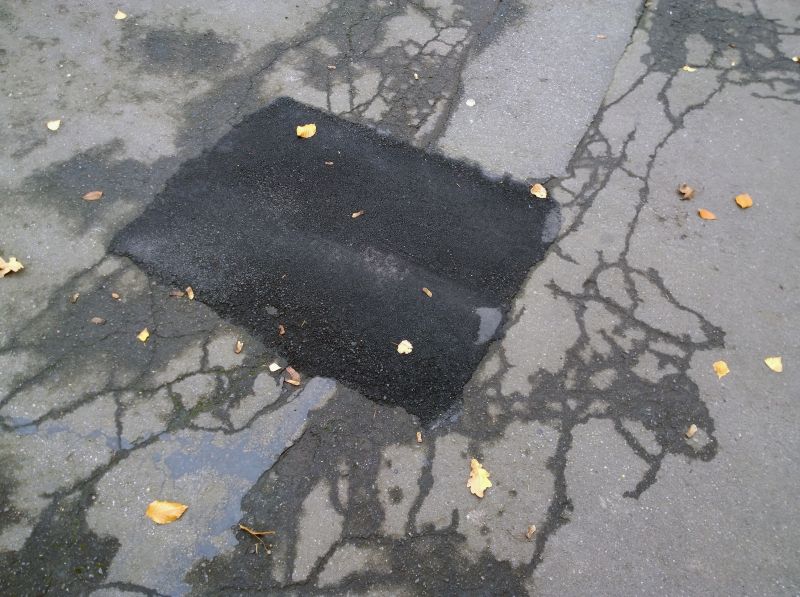
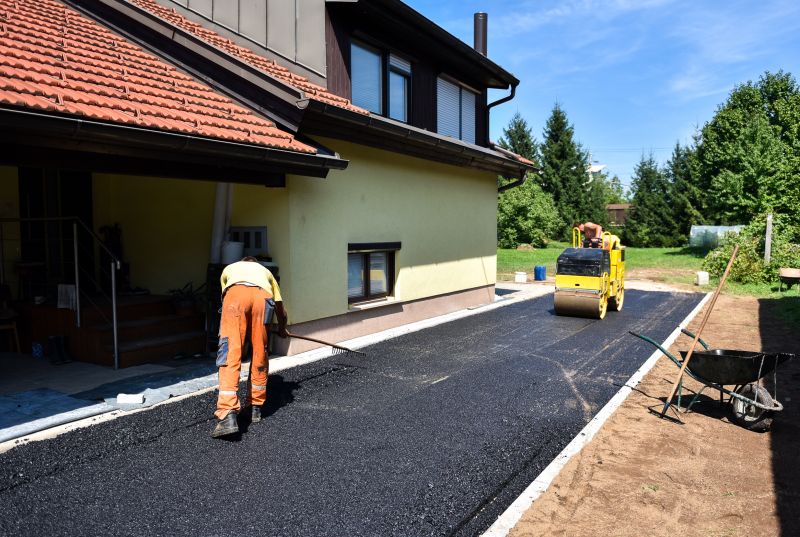
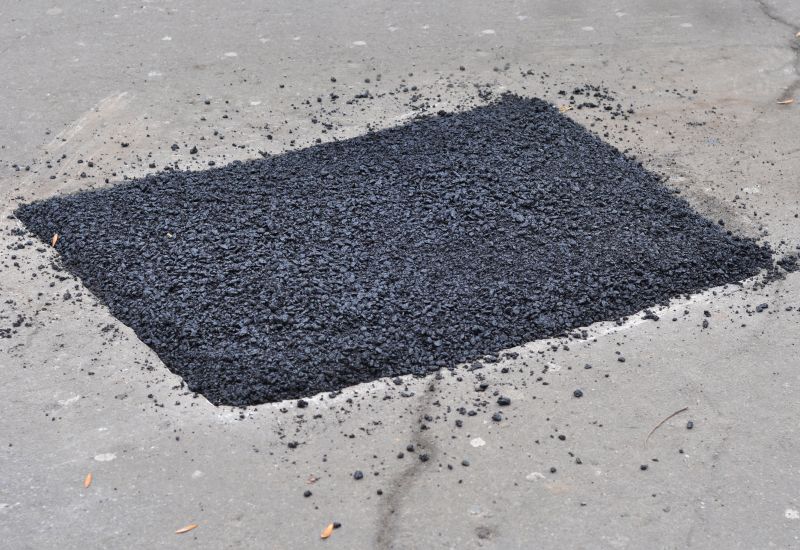
When property owners search for asphalt repair vs. asphalt replacement: what property owners should know, they are typically trying to understand which option is best suited for their specific situation. This often involves assessing the extent and type of damage to their asphalt surfaces, whether it’s cracks, potholes, or widespread deterioration. Homeowners and business owners alike want to know if minor issues can be fixed with simple repairs or if a full replacement is necessary to restore safety and appearance. The decision hinges on factors such as the severity of the damage, the age of the pavement, and the long-term goals for the property’s functionality and curb appeal. Local contractors specializing in asphalt services can evaluate these conditions and recommend the most effective approach based on the property’s unique needs.
This topic relates closely to common property maintenance and improvement plans. For many property owners, asphalt surfaces are crucial components of driveways, parking lots, walkways, or other paved areas. Problems like cracking, rutting, or surface erosion often prompt questions about whether repairs will suffice or if replacement is inevitable. Property owners might be considering repairs to extend the lifespan of existing asphalt or planning a complete overhaul to accommodate increased traffic or aesthetic upgrades. Understanding the differences between asphalt repair and asphalt replacement helps in making informed decisions that balance budget, durability, and appearance. Local service providers are key partners in these projects, offering expertise to determine the most practical and cost-effective solution.
The types of properties that typically come up in discussions about asphalt repair vs. asphalt replacement include residential homes, commercial parking lots, retail centers, apartment complexes, and industrial facilities. Residential properties often focus on driveways and small pathways, where localized repairs can address cracks or potholes without the need for full replacement. Commercial and industrial sites, on the other hand, may have larger paved areas that are more prone to extensive damage, making replacement a more viable option in some cases. Each property type presents different challenges and priorities, such as traffic volume, load-bearing requirements, and aesthetic considerations. Local asphalt service providers are experienced in working with a variety of property types, offering tailored solutions that help property owners maintain safe, functional, and attractive paved surfaces.
Understanding the distinction between asphalt repair and asphalt replacement is essential for property owners aiming to make smart, long-lasting improvements. Repair options typically involve patching, crack sealing, or surface leveling, which can be effective for minor or localized issues. Replacement, however, involves removing old pavement and installing new asphalt, which is necessary when damage is widespread or structural integrity is compromised. Choosing the right approach depends on an accurate assessment of the current condition of the asphalt, which is where local contractors play a vital role. These professionals can evaluate the extent of the damage, discuss the property owner’s goals, and recommend the most suitable solution to ensure the paved surfaces remain safe, durable, and visually appealing for years to come.
Pothole Repair - this project involves fixing localized damages in asphalt surfaces, requiring similar planning and tools as asphalt repair versus asphalt replacement decisions.
Crack Sealing - sealing cracks in asphalt pavements helps prevent further deterioration, aligning with maintenance strategies discussed in asphalt repair versus replacement topics.
Asphalt Overlay Installation - applying a new layer over existing pavement is a common alternative to full replacement, utilizing comparable skills and equipment as asphalt repair services.
Driveway Resurfacing - resurfacing involves renewing asphalt surfaces to extend lifespan, similar to repair techniques that avoid full replacement.
Surface Milling - removing the top layer of asphalt prepares for repairs or overlays, requiring planning and tools similar to those used in asphalt repair projects.
Sealcoating Projects - applying protective coatings enhances pavement longevity and involves planning and application methods related to asphalt repair and replacement decisions.
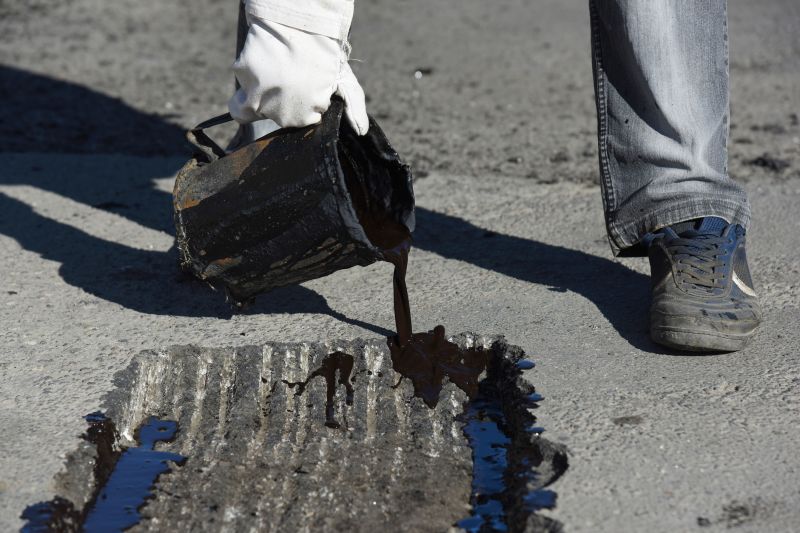
When comparing asphalt repair services, property owners should prioritize experience with similar projects. Finding local contractors who have a proven track record of handling asphalt repairs similar in scope and complexity can help ensure the work is performed effectively. Experience often correlates with a better understanding of the specific challenges that can arise during repair work, such as addressing underlying issues or ensuring the longevity of the repair. Additionally, reputable service providers will typically be able to provide references or examples of completed projects that demonstrate their expertise and reliability in asphalt repair.
Clear written expectations are essential when evaluating asphalt repair options. Property owners should seek contractors who offer detailed, written descriptions of the scope of work, materials to be used, and the expected outcomes. This transparency helps prevent misunderstandings and ensures that everyone is aligned on what the repair will entail. Good communication from the outset also allows property owners to ask questions, clarify concerns, and feel confident that the chosen contractor understands their specific needs. When reviewing proposals, it’s beneficial to compare how clearly each service provider articulates their approach and what is included in the repair process.
Reputable references and strong communication are key indicators of dependable local contractors for asphalt repair. Service providers with positive references from previous clients suggest a history of satisfied customers and consistent work quality. Moreover, good communication throughout the process can make a significant difference in how smoothly the project progresses. Property owners should look for contractors who are responsive, transparent, and willing to address questions or concerns promptly. Building a relationship based on clear, open communication can help ensure the repair work aligns with expectations and that any issues are addressed efficiently, providing peace of mind when choosing between asphalt repair and asphalt replacement.
Property owners often search for asphalt repair vs. asphalt replacement: what property owners should know when they are planning practical projects around their homes and businesses. Local pros provide Asphalt Repair services for everyday jobs and straightforward project options.
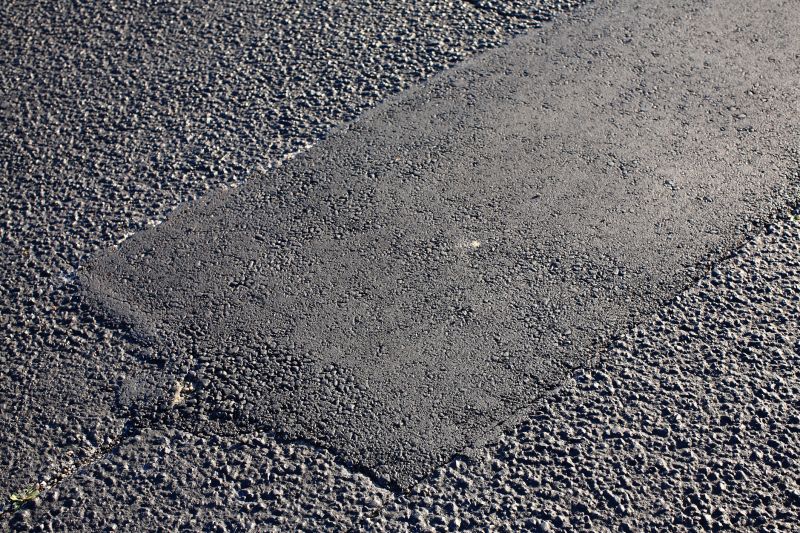
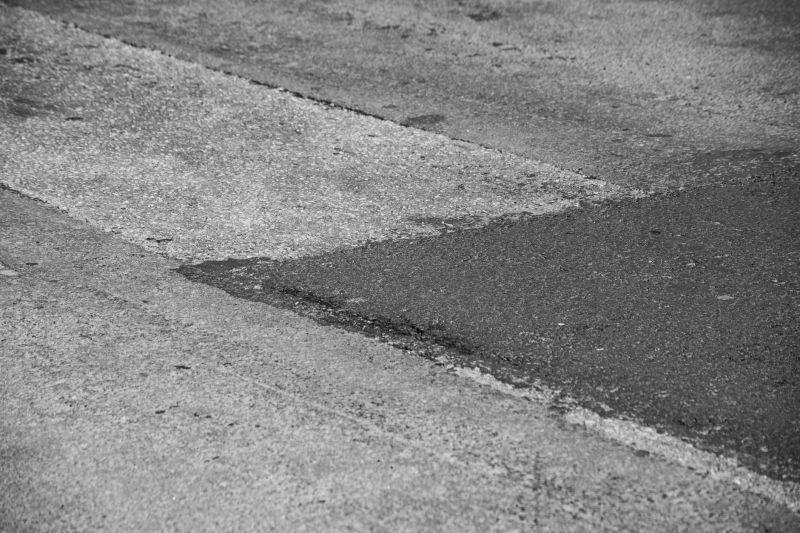
Property owners often search for information on asphalt repair versus asphalt replacement to determine the most practical solution for their driveways, parking lots, or walkways. Small cracks, surface wear, and minor potholes are common issues that may be addressed through asphalt repair, which can be a quicker and more affordable option for maintaining the existing pavement. When damage is limited and the underlying structure remains sound, local contractors can often restore the surface efficiently without the need for a full replacement, helping property owners keep their outdoor spaces functional and looking well-maintained.
On the other hand, significant damage such as deep potholes, extensive cracking, or underlying structural problems may require asphalt replacement. Property owners considering this route often want to ensure long-term durability and safety for their property. Local service providers can assess the extent of the damage and advise on whether repairs will suffice or if a complete replacement is necessary. Understanding the differences between these options helps property owners make informed decisions that best suit their property's condition and their maintenance goals.
What is the main difference between asphalt repair and asphalt replacement? Asphalt repair involves fixing specific areas of damage or deterioration, while asphalt replacement entails removing and installing a new pavement surface. Local contractors can help determine which option is suitable based on the extent of the damage.
When should property owners consider asphalt repair instead of replacement? Repairs are typically appropriate for minor cracks, potholes, or surface issues that do not affect the structural integrity of the pavement. Local service providers can assess the condition to recommend the best solution.
Can asphalt repair extend the lifespan of an existing driveway or parking lot? Yes, targeted repairs can help prolong the usability of existing asphalt by addressing damage early, preventing further deterioration. Local pros can perform repairs that help maintain pavement quality.
Is asphalt replacement necessary if there are cracks or surface damage? Not necessarily; surface cracks and minor damage can often be repaired without replacing the entire asphalt. Local contractors can evaluate whether repairs will suffice or if replacement is needed.
How do local asphalt service providers determine whether to repair or replace? They assess the severity and extent of damage, the age of the pavement, and its overall condition to recommend the most effective and cost-efficient solution for property owners.
Assessing damage for repair or replacement - property owners can evaluate the extent of asphalt damage to determine if repairs will suffice or if replacement is necessary, with guidance from local contractors.
Choosing the right repair method - understanding different asphalt repair options helps property owners decide when patching, crack filling, or sealcoating is appropriate for their project.
Planning for long-term asphalt maintenance - property owners can develop a maintenance schedule that includes regular repairs to extend the lifespan of their asphalt surfaces, with assistance from local service providers.
Deciding when to replace asphalt entirely - recognizing signs that repair is no longer effective allows property owners to plan for asphalt replacement, ensuring a durable and safe surface with help from local contractors.
If you are thinking about asphalt repair vs. asphalt replacement: what property owners should know for a property, this guide is meant to help you understand this topic, the typical project types, and how different options might fit your plans.
When you are ready, you can use the quote form on this page to share a few details about your project. From there, local pros can review the basics and follow up with options that match what you have in mind.